1-methyl-2-phenylindole-3-formaldehyde
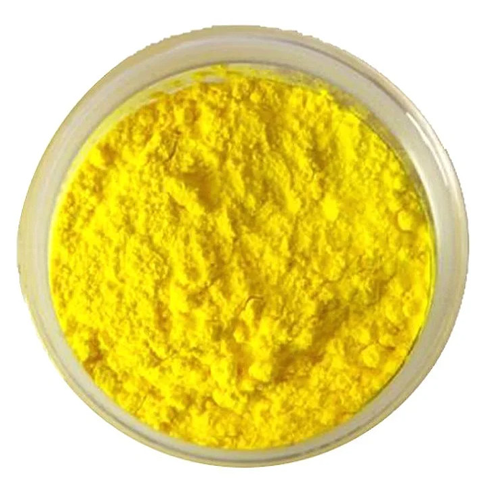
Introduction to 1-methyl-2-phenylindole-3-formaldehyde
English name: 1-Methyl-2-phenyl-1H-indole-3-carboxaldehyde
CASRN:1757-72-8
Constitutional formula :

Molecular formula: C16H13NO
Molecular weight: 235.28
Melting point : 128°C
2. Quality standards
| project | metric | bear fruit | remarks |
| surface | White or pale yellow powder | White powder | |
| melting point ,℃ | 125–128 | 125–128 | |
| fineness ,% | ≥98.5 | 99.5 | LC |
| loss on drying ,% | ≤1.0 | – | |
| MS(ESI),M+1 | 236.10 | 236.10 | |
| NMR(1H, 13C) | No significant peaks | No significant peaks |
USE
Pharmaceutical research and development and synthesis As a key pharmaceutical intermediate, it is used to synthesize a variety of active compounds. Studies show that it has anti-tumor, anti-inflammatory, antioxidant and other biological activities, and has potential in the treatment of inflammatory diseases, tumors and neurodegenerative diseases. Pharmaceutical research and development and synthesis As a key pharmaceutical intermediate, it is used to synthesize a variety of active compounds. Studies show that it has anti-tumor, anti-inflammatory, antioxidant and other biological activities, and has potential in the treatment of inflammatory diseases, tumors and neurodegenerative diseases.
As crucial intermediates or reagents in organic synthesis, they are employed to construct more complex molecular structures. As crucial intermediates or reagents in organic synthesis, they are employed to construct more complex molecular structures.
Photovoltaic materials are used in organic solar cells and other fields as photovoltaic materials.
Dyes and photosensitive materials serve as raw materials for dye synthesis and modification, as well as for the preparation of photosensitive materials such as photoresists.