2-(2-hydroxyethoxy)phenol
1. 2-(2-hydroxyethoxy)phenol introduction
English name: Phenol, 2-(2-hydroxyethoxy)
CAS RN:4792-78-3
Constitutional formula :

Formula: C8H10O3
Molecular weight: 154.16
Melting point: 97-99℃
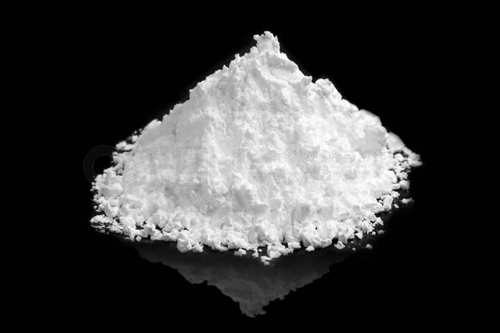
Appearance: white or white-like powder.
Use: As an organic synthesis intermediate.
1. Personal care products and cosmetics (main uses)
This is the main application of phenoxy ethanol, mainly as a mild preservative and solvent.
Preservatives: These agents demonstrate broad-spectrum antimicrobial activity against bacteria, yeasts, and molds. Preferred over traditional parabens (paraben esters), they are less controversial and less irritating than other preservatives, making them widely used in:
Skin care products: cream, lotion, essence, etc
Makeup products: foundation, lipstick, etc
Hair care products: shampoo, conditioner, etc
Toothpaste, mouthwash
Solvents and stabilizers: It can dissolve a variety of fragrances, essential oils and oil-soluble ingredients, helping the product system to maintain uniform stability. At the same time, it can also reduce the stickiness of the product, improve the skin feel.
Fixative: helps slow down the evaporation rate of the fragrance and make the aroma last longer.
2. Industry
It also has important industrial applications due to its solvent and bactericidal properties.
Ink and dye: used as a solvent or additive to improve the flowability and drying properties of printing ink.
Metalworking fluid: added in cutting fluid, grinding fluid, using its bactericidal properties to prevent liquid spoilage and deterioration, prolong service life.
Wood preservative: can be used as a mild wood preservative component to prevent the erosion of mold and decay bacteria.
Adhesive: used as a solvent for resin and plasticizer in the formulation of some special adhesives.
3. Organic synthetic intermediates
As a chemical intermediate, it provides the possibility of further reactions in the two functional groups in the molecule (phenolic hydroxyl and primary alcohol hydroxyl).
Synthetic polymer: It can be used as a monomer or chain transfer agent to participate in the synthesis of polyester or polyurethane.
Synthetic fragrance: its benzene ring structure can be used as the skeleton of some synthetic fragrances, and the fragrance group can be introduced through esterification and other reactions.
Synthetic drug molecules: their structure is a component of certain drug molecules and can be used to construct ether chains or side chains with specific biological activity.
2. Quality standards
| project | metric | bear fruit | remarks |
| surface | White or white-like powder | White powder | |
| melting point ,℃ | 97-99 | 97-99 | |
| fineness ,% | ≥95.0 | 99.0 | LC. Chromatography column: 25cm*4.5mm 5μm ODS; Mobile phase: methanol-water 75/25 (V/V); UV: 254 nm; Sample: 25 mg/10 mL methanol; Sample volume: 5ul. |
| loss on drying ,% | ≤0.5 | 0.45 | |
| Solubility, 2% ethanol solution | Clear to pale yellow solution | Transparent | |
| MS(ESI),M+1 | 155.1 | 155.1 | |
| NMR(1H, 13C) | No significant peaks | No significant peaks |