5-Methyl-1,3-cyclohexanedione
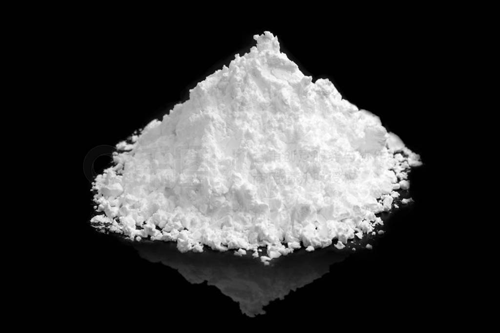
1. Introduction to 5-methyl-1,3-cyclohexanedione
English name: 5-Methyl-1,3-cyclohexanedione
CASRN:4341-24-6
Constitutional formula :

Formula: C7H10O2
Molecular weight: 126.15
Melting point: 124-125℃
Appearance: White or light yellow powder.
Use: As an organic synthesis intermediate.
1. Antihypertensive and cardiovascular drugs: It is the key starting material for the synthesis of ketocetamine. Ketocetamine is a 5-HT receptor antagonist that was used to treat hypertension.
Antitumor drugs: Their structure is part of many biologically active molecules. For example, they can be used to synthesize analogues of certain protein kinase inhibitors or topoisomerase inhibitors, which are important classes of anticancer drugs.
Other drug molecules: It is also used to synthesize some antibacterial drugs, antidepressants and intermediate of nervous system drugs. Its cyclic structure can be easily introduced into various functional groups, so as to construct complex molecules with specific pharmacological activity.
2. Synthesis of pesticides and herbicides
5-Methyl-1,3-cyclohexanedione is also an important intermediate in the field of agrochemicals.
Cyclohexanediones: These compounds serve as the key structural building blocks for developing specific herbicides. Common examples like alachlor and trichlorfon demonstrate strong selectivity and low toxicity to mammals. The cyclic structure of 5-methyl-1,3-cyclohexanedione forms the core molecular framework of these herbicides.
3. Fragrance and dye intermediates
Due to its special ring structure and reactivity, it is also used in the synthesis of some fine chemicals.
Synthesis of fragrances: They can be converted into tetrahydrofuran or pyran derivatives with specific aroma through a series of reactions (such as alkylation, condensation, oxidation and reduction, etc.), which are important components of some synthetic fragrances.
Dye synthesis: As a multifunctional compound, it can be involved in the construction of polycyclic or heterocyclic systems, which are chromophores or intermediates of some functional dyes (such as disperse dyes and acid dyes).
4. Organic synthesis blocks
5-Methyl-1,3-cyclohexanedione is a valuable "synthetic building block" in both basic research and the total synthesis of complex natural products.
Constructing complex natural products: Their structures naturally exist or resemble the core framework of certain natural products. Synthetic chemists use it to efficiently build complex natural molecules such as steroids, terpenes, and others with cyclohexane structures.
Michael addition reaction: As an excellent Michael receptor, it can undergo Michael addition reaction with various nucleophilic reagents, so as to introduce new carbon-carbon bond in the molecule easily.
2. Quality standards
| project | metric | bear fruit | remarks |
| surface | White or pale yellow powder | White powder | |
| melting point ,℃ | 124-128 | 124-125 | |
| fineness ,% | ≥98.5 | 99.7 | GC (column temperature 180℃, vaporization 220℃, detection 250℃, injection 0.1g/1ml methanol) |
| loss on drying ,% | ≤1.0 | - | |
| MS(ESI),M+1 | 127.1 | 127.1 | |
| NMR(1H, 13C) | No significant peaks | No significant peaks | The hydrogen spectrum shows that the enol structure accounts for about 80%. |